
Good morning, dear brothers and sisters in Christ.
Today we gather to reflect on a topic that weighs heavily on the hearts and minds of many believers—the anxiety that often surrounds teachings about the end times. As we approach this subject, it is important to remember that our God is not a God of confusion, but a God of peace.
In 1 Corinthians 14:33, Scripture reminds us:
"For God is not the author of confusion but of peace, as in all the churches of the saints."
This truth should guide the way we think about and discuss the end times. When conversations about the future create fear, panic, or confusion, we must pause and return to the peace that God intends for His people.
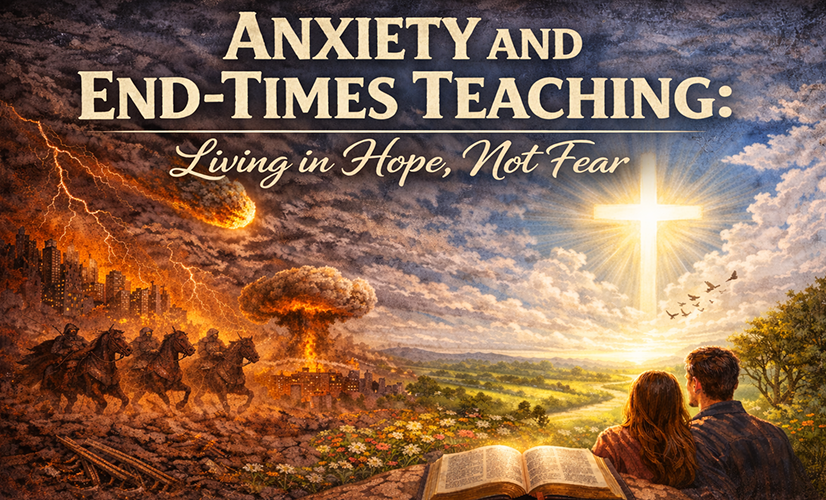
End-times teachings can sometimes feel like a storm gathering on the horizon. They often stir strong emotions—especially anxiety and fear. With many interpretations and predictions about the return of Christ, the rise of the Antichrist, and the tribulation, believers can easily feel overwhelmed. Some Christians become so focused on what might happen in the future that they lose sight of the hope we already have in Christ.
But Scripture invites us to step back and remember the heart of God’s message.
Throughout the Bible, God calls His people to live in hope, not in fear. In Matthew 24:6, Jesus tells His disciples:
"You will hear of wars and rumors of wars. See that you are not troubled; for all these things must come to pass, but the end is not yet."
Notice the command Jesus gives: “See that you are not troubled.”
Jesus acknowledges that difficult events will occur, yet He instructs His followers not to allow fear or anxiety to dominate their hearts. Instead of focusing on the chaos around us, we are called to fix our eyes on Christ—the Prince of Peace.
So why do teachings about the end times create anxiety for so many people?
One reason is the sensationalism that sometimes surrounds the topic. Certain teachings emphasize dramatic predictions and fear-based narratives that can leave believers feeling powerless and uncertain. We may hear constant warnings about disasters, persecution, and a world spiraling out of control.
While Scripture certainly encourages us to be aware of the signs of the times, these teachings were never meant to paralyze us with fear. Rather, they are meant to encourage readiness, faithfulness, and spiritual vigilance.
The apostle Paul reminds us in 2 Timothy 1:7:
"For God has not given us a spirit of fear, but of power and of love and of a sound mind."
This is an important truth for every believer. Fear is not from God. Instead, He gives us power, love, and a sound mind.
Anxiety does not produce the fruit of the Spirit. Instead, it can distract us from the mission God has entrusted to us—to love others and to proclaim the good news of Jesus Christ. Rather than being consumed by worries about the future, we are called to live faithfully in the present.
Another reason anxiety arises around end-times teaching is a misunderstanding of God’s character. Some people begin to see God as distant or harsh—waiting to judge and condemn. But the gospel reveals a very different picture.
In Romans 8:1, we are assured:
"There is therefore now no condemnation for those who are in Christ Jesus."
Our identity in Christ is not defined by shame, fear, or uncertainty. Instead, it is rooted in grace, forgiveness, and acceptance. Because of Jesus, our future is secure.
As we think about Christ’s return, we must also remember the purpose of our lives in the present. Jesus did not call His followers to spend their days speculating about the future. Instead, He gave us a clear mission.
In Matthew 28:19–20, Jesus commissions His disciples:
"Go therefore and make disciples of all nations… teaching them to observe all that I have commanded you."
This is the work entrusted to us—to share the good news of salvation, to build meaningful relationships, and to reflect the love of Christ in a world that desperately needs hope.
The reality of the end times is significant, but it should not dominate our thoughts or control our lives. Instead, Scripture encourages us to bring our worries to God.
In Philippians 4:6–7, we read:
"Be anxious for nothing, but in everything by prayer and supplication, with thanksgiving, let your requests be made known to God; and the peace of God, which surpasses all understanding, will guard your hearts and minds through Christ Jesus."
What a powerful promise. Instead of giving in to anxiety, we are invited to pray. We can bring our fears, concerns, and uncertainties before God, trusting that He hears us and cares deeply for us.
And when we do this, God gives us something remarkable—His peace, a peace that surpasses human understanding. This peace does not depend on our circumstances. It is a gift that comes from knowing and trusting our faithful Father.
As we conclude today, let us remember that teachings about the end times were never meant to fill our hearts with fear. Instead, they should inspire us to live with hope, faithfulness, and readiness.
Yes, we are called to be watchful and discerning. But we do so with confidence, knowing that God is sovereign and that His purposes will ultimately prevail.
Let us fix our hearts on Christ—on His love, His grace, and the mission He has given us. When we are anchored in the truth of God’s Word, we can face any storm with confidence, knowing that we are held securely in His hands.
So, dear friends, as you reflect on the end times, I encourage you to transform anxiety into prayer, fear into faith, and worry into worship.
May we be known not as people marked by fear, but as people marked by the peace that comes from knowing our Savior. For in Him we find hope, purpose, and the promise of eternal life.
Let us pray.
Heavenly Father, we thank You for Your Word, which brings us peace and hope. Help us to cast aside our anxieties and fears about the future and to trust in Your perfect plan. Strengthen us to live faithfully each day, sharing Your love with those around us. May our lives reflect the hope we have in Christ.
We ask this in the name of Jesus our Lord.
Amen.


